
If your Open Enrollment planning starts by opening last year's files, you're not alone.
For many HR teams, it's the most practical place to begin.
- Timelines are tight.
- Budgets are under pressure.
- Teams are being asked to accomplish more with fewer resources.
- Updating existing materials often feels like the most efficient path forward.
And sometimes, it is. There's no reason to reinvent a communication strategy that's working well. But before you update last year's materials, ask yourself:
Is it still the right strategy for this year's workforce?
Employees’ expectations have changed. The communication landscape has changed. New technologies have created opportunities to educate and engage employees in ways that weren't possible just a few years ago. At the same time, every communication decision and every budget dollar matters more than ever.
Here are three ways to get more from your Open Enrollment communications:
1. Start with the goal, not the deliverable.
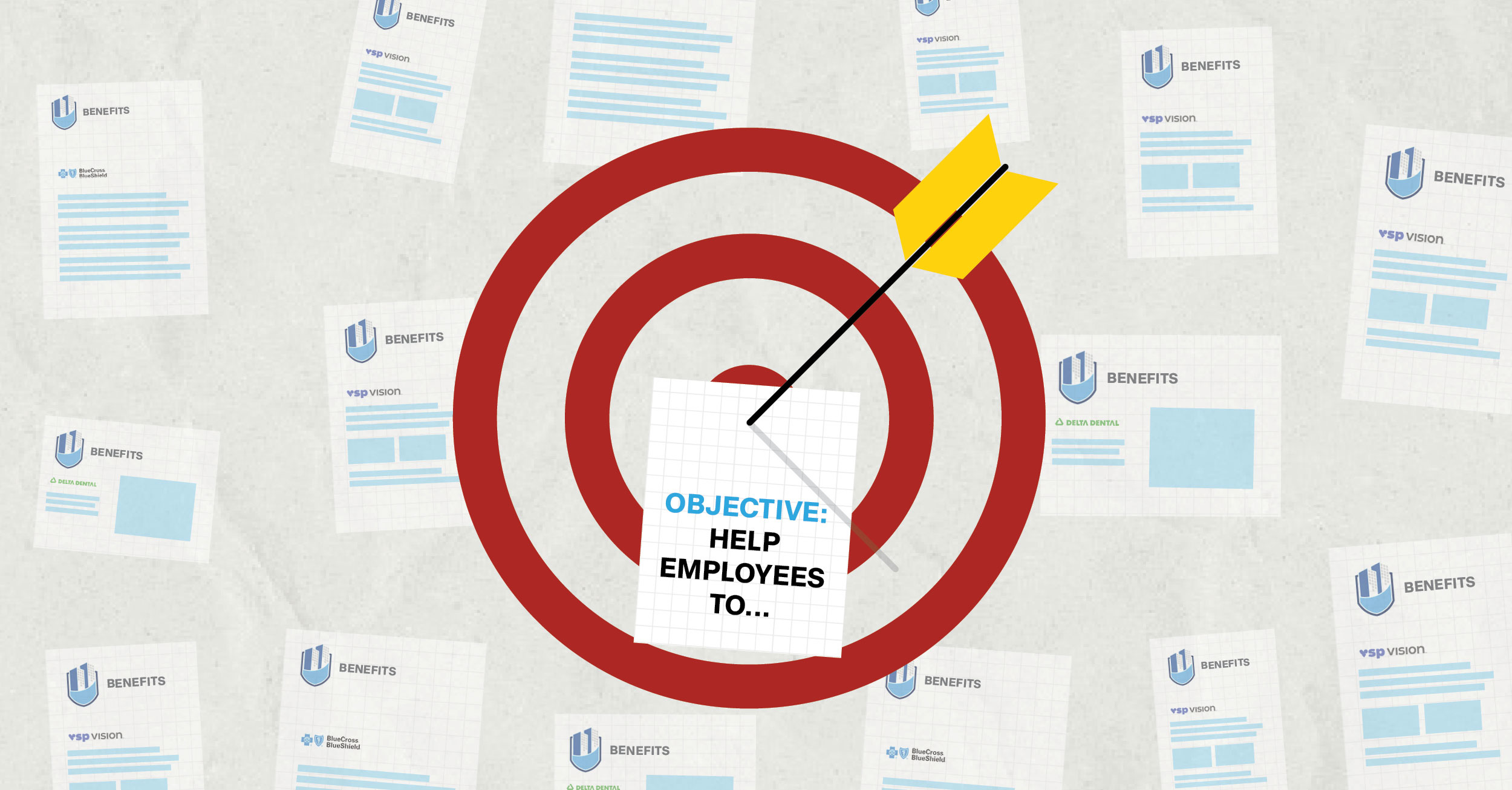
One of the first things we often hear is, "We need an Open Enrollment guide."
Maybe you do. But that's not the first question to answer.
Instead, start by asking:
- What do employees need to know?
- What do they need to do?
- Where are they most likely to have questions?
- What changes deserve the most attention?
The answers to these should shape the communication strategy. Sometimes the right solution is a guide. Sometimes it's a guide supported by manager resources, reminder emails, and a short video. Sometimes it's a digital experience that gives employees easy access to information throughout the year.
When you begin with the communication objective instead of the communication piece, you're more likely to create an experience that helps employees understand their options and take action with confidence.
2. Explore new communication possibilities.
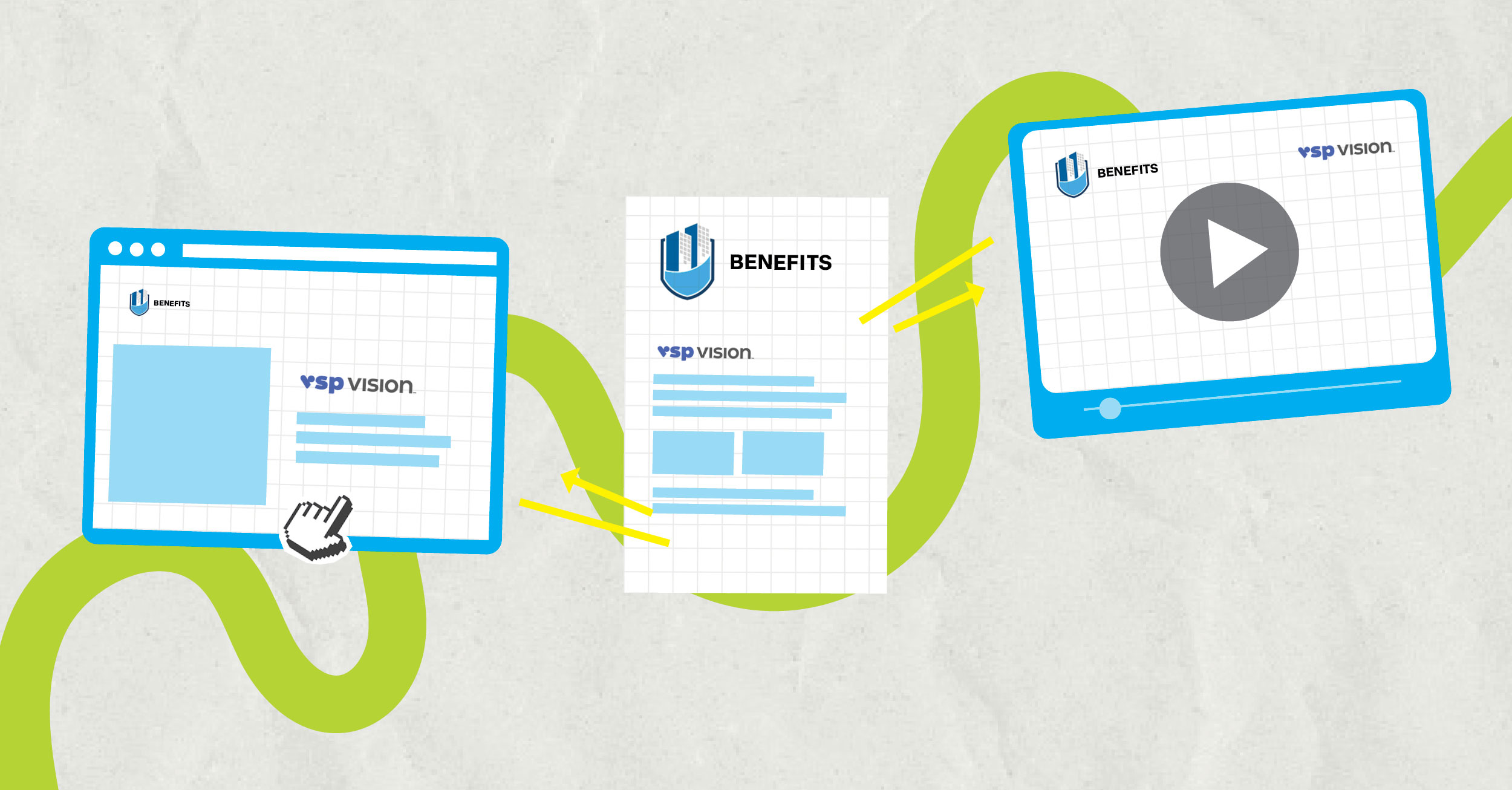
A well-designed benefits guide still has an important place in many Open Enrollment campaigns.
But it's no longer the only option.
Today's communication toolbox includes everything from personalized messaging and QR codes to videos, interactive resources, and year-round benefits websites like BenefitBase. The question isn't whether you should use every available tool. It's about which combination of tools will best support your employees.
For one organization, a two-minute video may explain a new benefit more effectively than another page of text. For another, manager talking points may reduce questions before they reach HR. And a digital resource that employees can access year-round may become the hub that ties the entire campaign together.
The best communication strategies aren't built around the newest technology. They're built around choosing the right solution for the challenge at hand.
3. Build a campaign, not just a collection of materials.
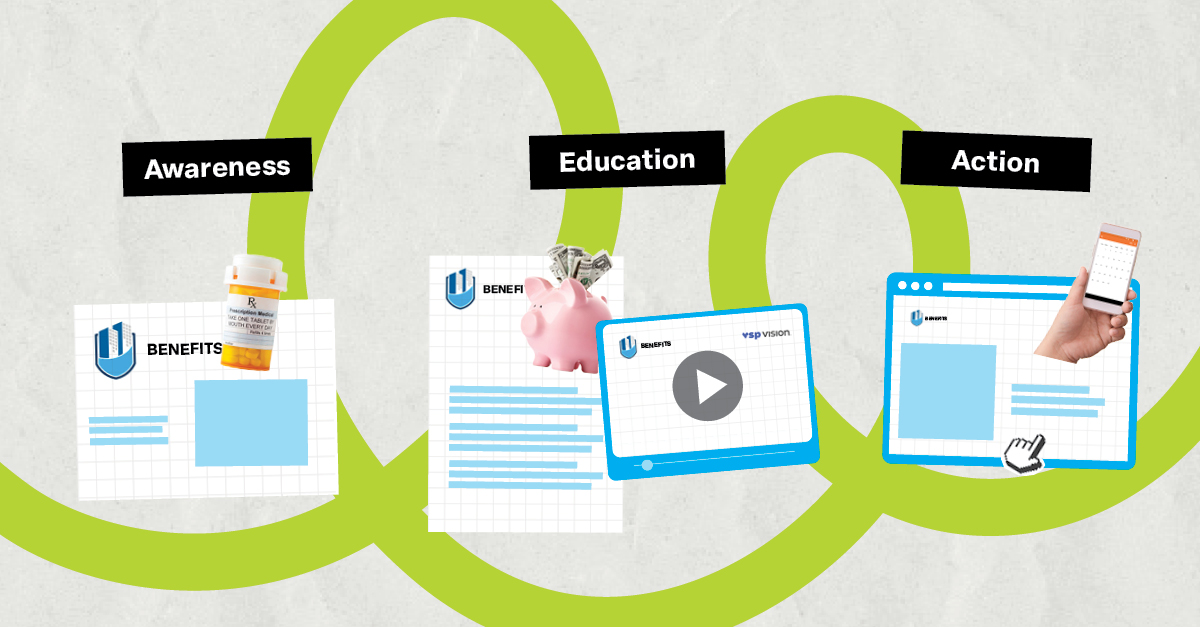
Employees don't experience Open Enrollment one piece at a time. They experience it over several weeks through emails, conversations, meetings, reminders, guides, websites and whatever else you place in front of them.
That's why the most successful Open Enrollment campaigns feel like one coordinated experience, not a series of unrelated communications. Each communication should have a purpose. Each touchpoint should build on the one before it. Together, they should guide employees from awareness to understanding to action.
And remember, important messages rarely stick after a single exposure. Thoughtful reinforcement through multiple channels helps employees notice, remember, and act without feeling overwhelmed.
Takeaway
You don't have to reinvent your Open Enrollment communications every year. In fact, building on what's worked well is often the smartest place to start.
But don't let familiarity become your communication strategy.
Take a fresh look at your workforce. Revisit your goals. Explore the communication options available today. Then invest your time and budget where they'll have the greatest impact.